



Steering Axle Parts
At Leading Forklift Parts, we have been a trusted partner in the forklift industry for years, offering a wide range of forklift axle parts for all major forklift brands, including HELI. Our expertise in forklift steer axle repair and maintenance has allowed us to develop a deep understanding of what makes a high-performance axle.
By choosing our forklift steering axle parts, you're investing in a product that combines durability, performance, and affordability. Let us help you keep your fleet running smoothly and efficiently.
01
Comprehensive Range
We stock HELI Forklift Genuine Parts, OEM Forklift Parts, and aftermarket lift truck replacement parts for every HELI forklift model, ensuring you always have access to the right components.
02
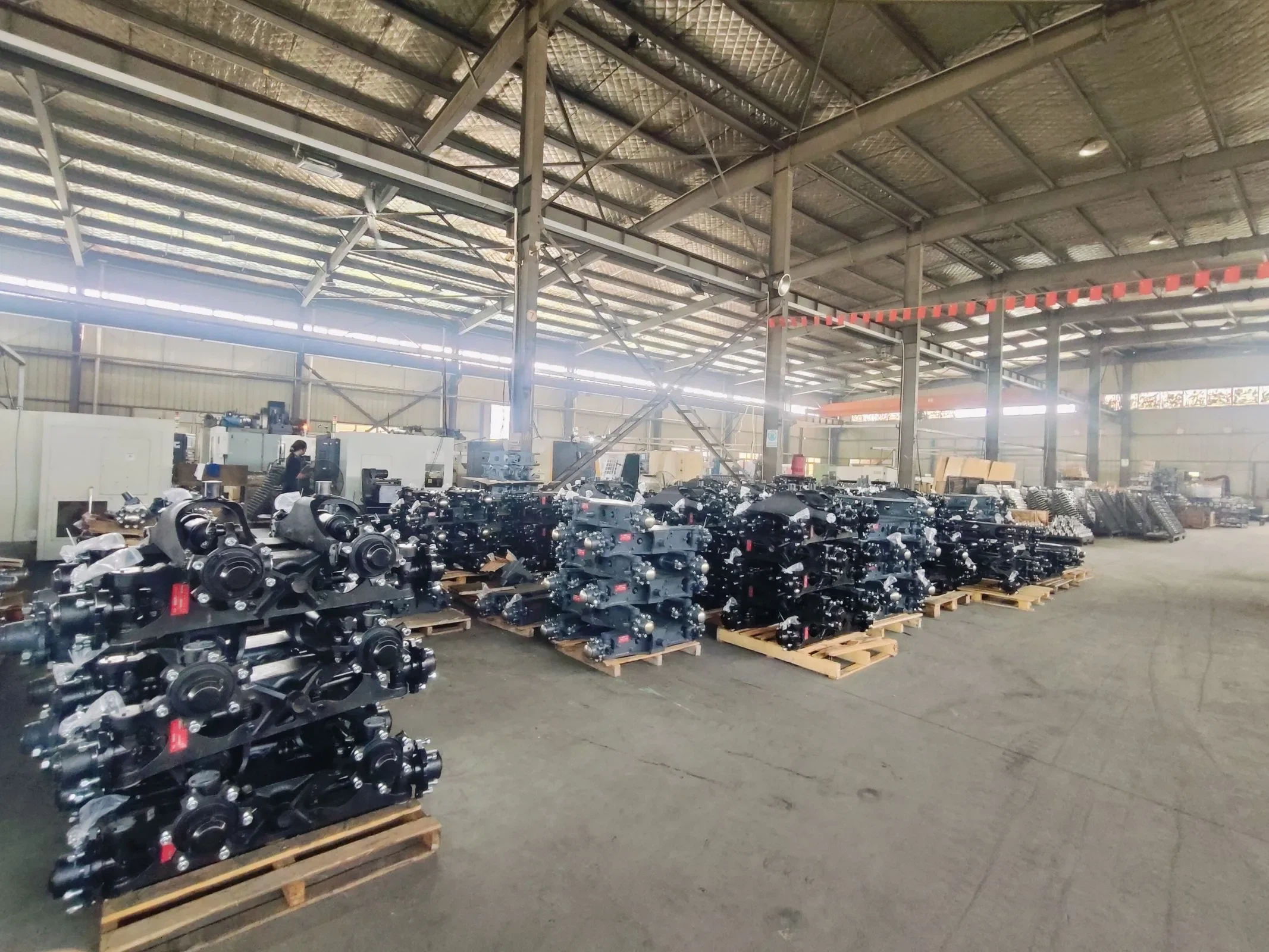
In-house Manufacturing
Our state-of-the-art facility produces high-quality forklift steering axle parts that meet or exceed OEM specifications, providing you with reliable and cost-effective solutions.
03
Expertise in Forklift Components
With years of experience in the forklift industry, we have in-depth knowledge of HELI forklift components, including steering axles.
04
Competitive Pricing and High-Quality Products
We offer a comprehensive range of HELI forklift steering axles at competitive prices. Our products are manufactured to the highest standards, ensuring durability and reliability.
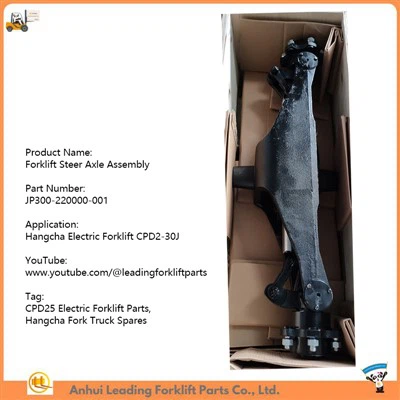
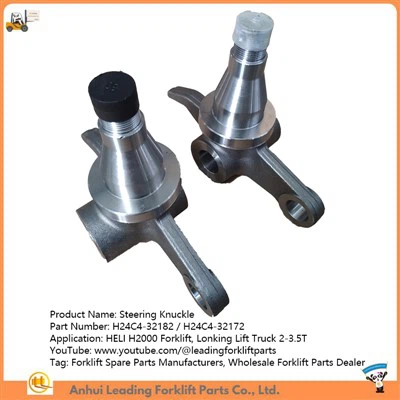
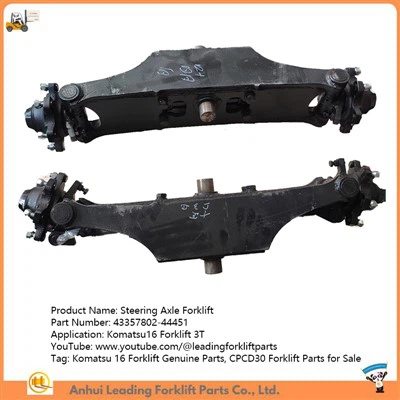


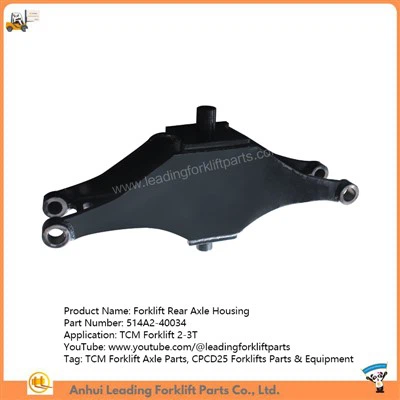



Forklift Steering Axle Parts
Elevate Your HELI Forklift Performance
Forklifts are indispensable in logistics and material handling, where operational efficiency and safety are paramount. When it comes to HELI forklifts, the steering axle is a critical component that directly impacts operational efficiency and safety. This article delves into the steering axle forklift, its components, and how to choose the best parts for your forklift, empowering procurement experts with the knowledge needed to make informed decisions.
one-stop solution
professional team
high quality
Understanding the HELI Forklift Steering System
Components of the Steering System
Most forklifts utilize a rear-wheel steering and front-wheel drive design, enhancing their functionality in confined spaces.
The forklift steering system consists of:
Steering axle
Central to the rear-wheel steering mechanism.
Hydraulic cylinder
Generates the force required to turn the wheels.
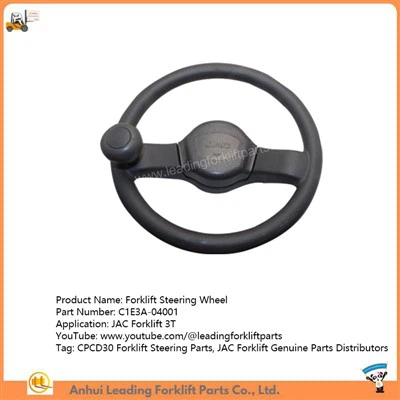
Steering column
Connects the steering wheel to the steering mechanism, translating driver input into directional changes.
Steering wheels
Interact with the ground to achieve directional movement.
Rear-Wheel Steering: How It Works
Rear-wheel steering operates through a crank-slider mechanism, where the hydraulic force from the steering cylinder moves the piston. This movement is transmitted via linkages to the steering knuckles, rotating the rear wheels and guiding the forklift.
advantages & challenges
Enhanced maneuverability
Ideal for navigating narrow aisles.
Improved load balance
The front axle carries most of the load, minimizing rear-axle stress.
Smaller turning radius
Facilitates precise movement in tight spaces.
Increased complexity
Requires skilled operators for safe handling.
Driver adaptation
Operators may need time to adjust to the reverse steering feel, especially if they are accustomed to front-wheel steering vehicles.
Maintenance requirements
Rear-wheel steering systems can be more complex, requiring regular inspections and adjustments to ensure optimal performance.
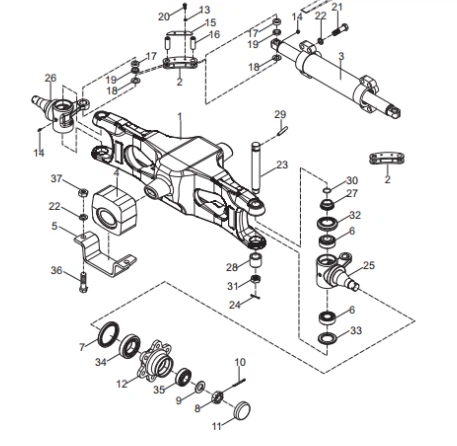
HELI Forklift Steering Axle Assembly and Key Components
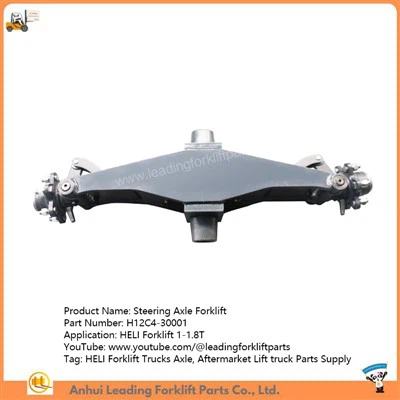
Forklift Steering Axle
The steering axle assembly is a cornerstone of forklift operation. Its components work together to ensure smooth, precise steering and load stability.
The HELI forklift steering axle assembly stands out for its:
Compact design
Ideal for frequent directional changes.
Wide steering angle
Up to 85°, enabling excellent adaptability in tight workspaces.
Durability
Built to withstand high loads and prolonged use.

Core Functions of the Steering Axle
The integration of advanced materials and precise engineering
ensures reliable performance under various operational conditions.
Load Support
The axle supports the forklift's rear weight, ensuring stability during operation.
Force Transmission
Transfers forces between the chassis and wheels, maintaining balance and control.
Shock Absorption
Mitigates vibrations from uneven surfaces, protecting the operator and cargo.
Turning Facilitation
Enables precise control over the forklift's direction.
Essential Components of the Forklift Steering Axle

Steering Axle Housing
The structural base houses and supports other components. It is designed to handle high stress while maintaining alignment and stability.

Power Steering Cylinder
The hydraulic cylinder powers the steering mechanism, ensuring efficient wheel rotation with minimal effort. Its seals and piston rods must be regularly inspected to prevent leaks.

Steering Knuckle
The steering knuckle connects the wheels to the axle, enabling them to pivot during turns.

Kingpin
The kingpin is a central pivot point that secures the knuckle to the axle, allowing smooth wheel rotation. Worn kingpins can lead to steering instability and must be replaced promptly.

Forklift Wheel Hub
The wheel hub attaches the wheel to the axle and houses the bearing system, ensuring smooth wheel rotation. High-quality hubs reduce rolling resistance and enhance durability.

Damping Block
The damping block absorbs shocks and vibrations, contributing to a smoother ride and prolonged component lifespan.
Common Issues and Maintenance Tips
The steering axle, despite its robustness, is prone to wear and tear
due to continuous use in challenging environments.
|
Common Issues |
Hydraulic Fluid Leaks
|
Steering Difficulty
|
Unusual Noises
|
Excessive Tire Wear
|
| Cause |
Worn seals or damaged hydraulic cylinder components. |
Damaged kingpins, misaligned knuckles, or low hydraulic fluid levels. |
Worn bearings, spindles, or misaligned components |
Misaligned wheels or improperly functioning knuckles. |
| Solution |
Replace faulty seals or cylinder parts promptly to avoid further damage. |
Check and replace worn parts, and ensure proper hydraulic fluid levels. |
Lubricate or replace affected parts as necessary. |
Adjust alignment and inspect steering linkage components. |
Maintenance Tips
By paying attention to these common issues and following regular maintenance practices,
you can extend the life of your forklift's steering axle and ensure smoother operations.
Routine Inspections
Check for oil leaks, unusual noises, or signs of wear on key components like the kingpin and wheel hub.
Regular Lubrication
Lubricate parts like the spindle, kingpin, and bearings to reduce friction and prevent premature wear.
Timely Replacement of Worn Components
Replace damaged parts immediately to prevent a domino effect of failures in related components.
Periodic Alignment Adjustments
Misaligned wheels can cause excessive stress on the axle, leading to uneven tire wear and steering issues.

How To Choose the Right HELI Forklift Steering Axle
Not all forklift axles are created equal. Different forklift models may require specific types of axles depending on their size, weight capacity, and intended use. For example, a high-capacity forklift used in outdoor applications may need a more robust axle than one designed for indoor warehouse work.
When selecting a forklift steering axle, consider the following factors:
Material Quality
Opt for high-grade materials like cast iron or steel plate that offer durability and resistance to wear.
Manufacturing Process
Look for axles produced using precision machining techniques to ensure accuracy and consistency.
Brand Reputation
Choose reputable manufacturers known for producing reliable and long-lasting components.
Cost-Effectiveness
Balance quality with budget constraints to find the best value for your investment.
The forklift steering axle is the unsung hero of every forklift, enabling precise and reliable maneuverability in even the most challenging environments. By understanding its components, functions, and maintenance needs, you can ensure that your forklifts remain in peak condition, delivering optimal performance and safety. At Leading Forklift Parts, we are committed to providing the highest quality forklift axle parts and expert support to help you achieve these goals. Trust us to be your partner in keeping your fleet running smoothly and efficiently.
Frequently Asked Questions
1. What's the difference between forklifts and car steering axles?
+
-
Forklifts use rear-wheel steering for better maneuverability in tight spaces, while cars typically use front-wheel steering. Additionally, forklift axles are designed to handle heavier loads and more frequent turning.
2. How can I improve the precision of my forklift's steering?
+
-
Regular maintenance, proper alignment, and using high-quality forklift steering parts can enhance steering precision. Consider upgrading to components with tighter tolerances for even greater accuracy.
3. What causes a forklift steering axle to leak oil?
+
-
Leaks are often caused by worn seals or damaged hoses. Inspect these components regularly and replace them as needed to prevent leaks.
4. Why is my forklift difficult to steer?
+
-
Difficulty in steering can be due to low hydraulic fluid levels, air in the system, or worn-out components. Check the hydraulic system and replace any faulty parts.
5. How do I know if my forklift steering axle needs replacing?
+
-
Signs of wear, such as excessive play, unusual noises, or difficulty in steering, may indicate that it’s time to replace the axle. Consult a professional for a thorough inspection.
6. How often should I maintain my forklift steering axle?
+
-
Regular maintenance should be performed every 500 hours of operation or annually, whichever comes first. This includes lubrication, inspection, and tightening of bolts.
7. How does the material of the steering axle affect its performance?
+
-
High-quality materials like cast iron or steel plate offer better durability and resistance to wear, ensuring long-lasting performance and reliability.
8. How do I choose the right steering axle for my forklift?
+
-
Consider the forklift’s model, weight capacity, and intended use. Consult the manufacturer’s specifications and choose an axle that meets your specific needs.
9. What should I pay attention to when installing a new steering axle?
+
-
Ensure proper alignment, secure all bolts and fasteners, and check for any signs of damage before operation. Follow the manufacturer’s instructions carefully.
10. How does rear-wheel steering differ from front-wheel steering?
+
-
Rear-wheel steering provides better maneuverability in tight spaces and helps balance the load more evenly. However, it may require more time for drivers to adapt to the reverse steering feel.
11. What does daily maintenance of a HELI forklift steering axle involve?
+
-
Daily maintenance includes checking fluid levels, inspecting for leaks, and ensuring all components are properly lubricated. Regularly tighten bolts and look for signs of wear.
12. Is the HELI forklift steering axle susceptible to external environmental factors?
+
-
While the axle is designed to withstand harsh conditions, extreme temperatures, moisture, and debris can still affect its performance. Regular cleaning and protection are recommended.
13. How long does a HELI forklift steering axle last?
+
-
With proper maintenance, a HELI forklift steering axle can last for thousands of hours of operation. Regular inspections and timely repairs can extend its lifespan even further.
14. What are some important steering techniques when operating a HELI forklift?
+
-
Always approach turns slowly and steadily, avoid sudden movements, and keep the load centered to maintain balance. Regular practice and adherence to safety guidelines will improve your handling skills.
15. Can you provide a wide range of forklift steering axle parts for different brands?
+
-
Yes, we have extensive experience supplying steering axle assembly and parts for Chinese brands like HELI, Hangcha, and JAC, ensuring high quality and competitive pricing.