




Forklift Engine Cooling Parts
Biggest China Wholesale Supplier for Forklift Engine Cooling Parts
Anhui Leading Forklift Parts Company has been focusing on forklift parts since 1998. The strength of our company is that we offer a full range of parts for HELI forklifts and many parts for Hangcha and JAC forklift trucks. For forklift engine cooling parts, we supply all the parts such as the radiator, water pump, fan, thermostat, water pipe, etc. We supply these products for China brand engines and some Japanese brand engines for forklifts.
Why Choose Us
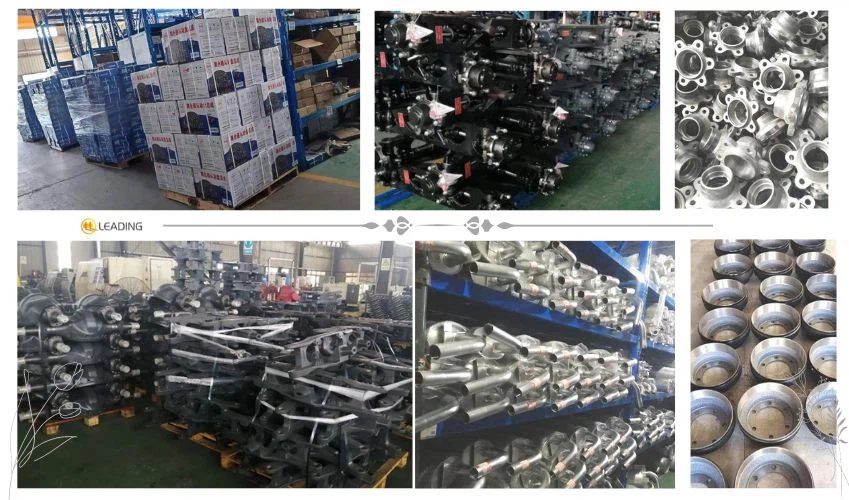
Professional Forklift Parts Manufacturer and Distributor
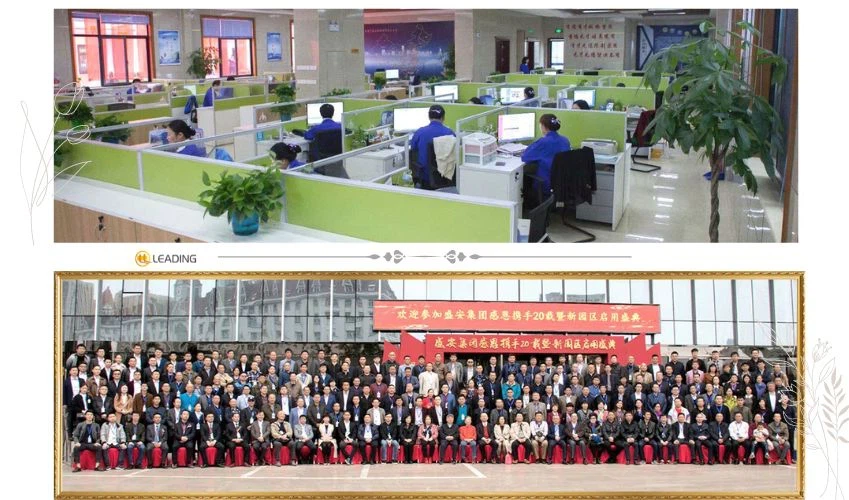
We have been focusing on forklift parts since 1998. With our three forklift manufacturers and many partners in HEFEI city, and with HELI forklift company and other forklift truck producers here, Hefei city has become a manufacturing base for forklifts and forklift parts in China.
Rich Experience and A Long History in the Forklift Industry
With more than 25 years of experience in the forklift industry, our company become the biggest and leading forklift parts supplier in the last three years. We have a full range of parts for HELI forklifts, many parts for Hangcha forklifts, and many parts for Toyota forklifts. For regular parts, we have genuine parts, OEM parts, and aftermarket replacement parts.

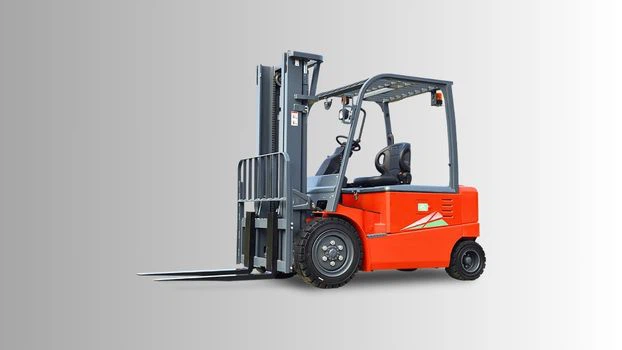
Full Range of Forklift Engine Cooling Parts
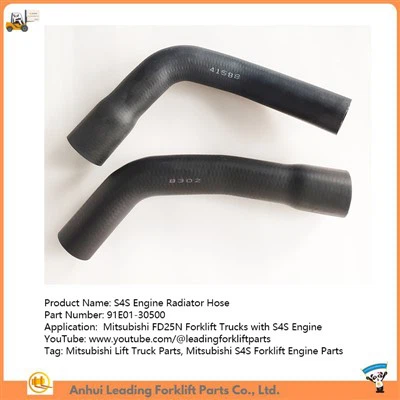
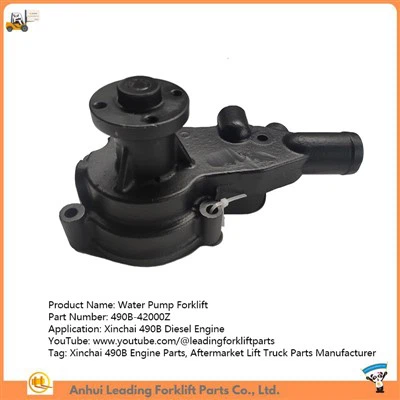
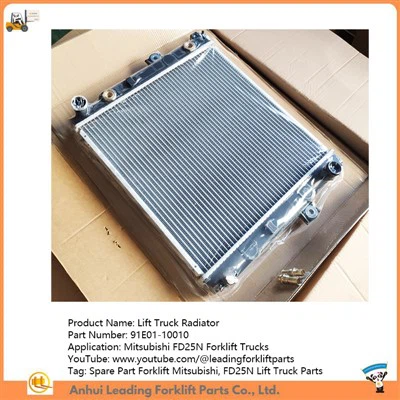
For China brand engines, such as Xinchai, Quanchai, FAW, YTO, CHAOCHAI, etc, and for Japan brand engines, such as Yanmar, ISUZU, MITSUBISHI, NISSAN, etc, we can provide all the cooling parts: the water pump, fan, thermostat, radiator, radiator cap, radiator cover, and water hose.



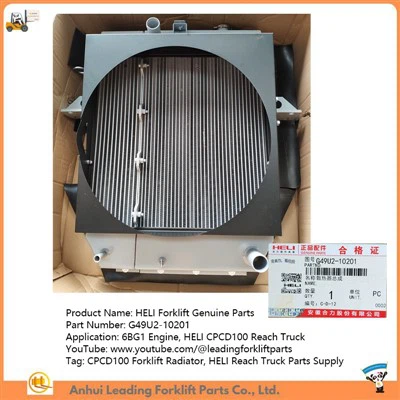
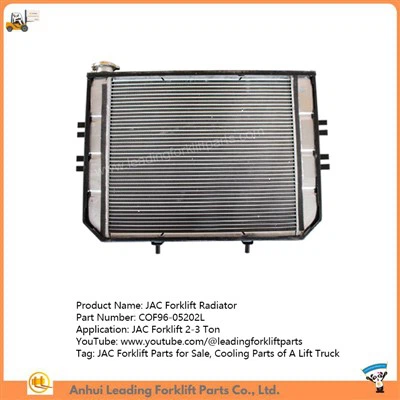


The Importance of the Forklift Engine Cooling System
The engine cooling system is crucial for ensuring the engine's normal operation. The cooling system is key to preventing the engine from overheating, ensuring the forklift operates continuously and stably during high-intensity work.
The forklift engine needs to maintain a temperature range of 60℃ to 120℃, with the ideal temperature being 80℃ to 90℃, to ensure normal operation. When the temperature is too high, the engine wears more easily, and the cooling system speeds up the circulation of the coolant to lower the temperature, but this increases the load on the water pump and fuel consumption. When the temperature is too low, the engine automatically increases fuel injection to raise the temperature, which also increases fuel consumption.
The effective operation of the cooling system not only affects the forklift's work efficiency but also directly relates to operational safety, preventing faults and safety hazards caused by engine overheating.
Therefore, maintaining the engine at an appropriate temperature not only prevents wear caused by overheating or overcooling but also extends the engine's lifespan and maintains its optimal performance.
The Cooling Water Pump and Fan Assembly in Forklifts
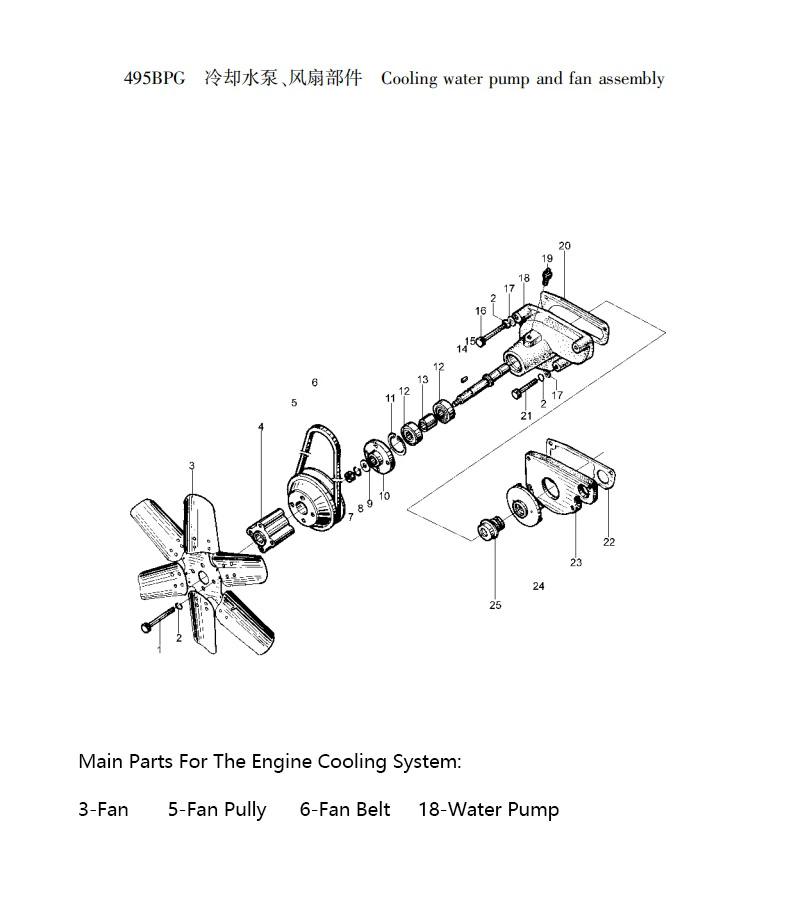
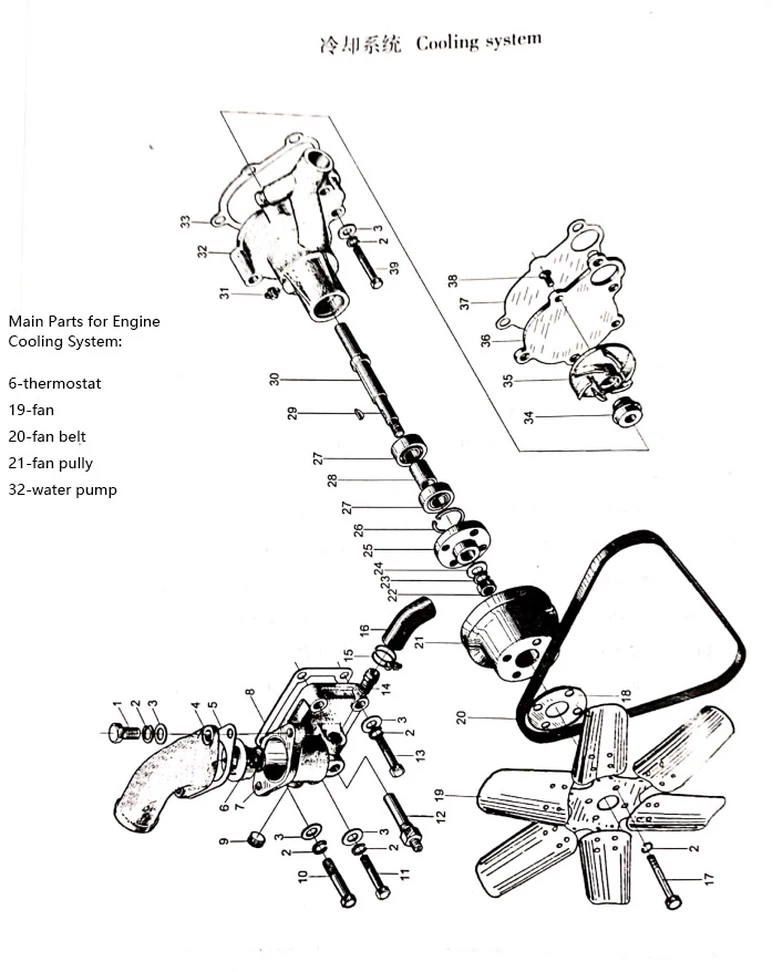
Products Description
Forklift Water Pumps
In forklift cooling systems, water pumps are
typically installed at the bottom
or middle of the cooling system,
occasionally at the top of the engine.
A water pump consists primarily of:
- Pump housing
- Impeller
- Pump shaft
- Bearings
Water pumps used in forklifts
are generally centrifugal pumps,
characterized by: Compact size,
High flow rate, and Simple structure
Its primary function is to
pressurize coolant, facilitating its circulation
within the engine to maintain optimally
operating temperatures.
Operating principle
The operational principle of a water pump is as follows
Drive
The engine drives the pump shaft and impeller rotation via pulleys.
01
Rotation and Centrifugal Force
Coolant rotates within the pump alongside the impeller. Under centrifugal force, coolant is flung towards the edges of the pump housing, generating pressure.
02
Pressure and Flow
As coolant is flung outward, pressure decreases at the impeller center, creating a pressure differential between the coolant inlet and the impeller center in the water tank. This pressure differential causes coolant to be drawn into the impeller through water pipes.
03
Circulation
Coolant is drawn into the impeller under this pressure differential, facilitating the continuous circulation of coolant.
04
This circulation process effectively maintains the engine's operational temperature,
preventing overheating and potential damage.
Forklift Radiators
Radiator in Forklifts
Located at the rear of the forklift and connected to the engine, the radiator primarily consists of four components in the right area:
Coolant circulates through pipes within the engine, absorbing heat, then passes through the radiator where heat is dissipated. The cooled coolant then returns to the engine block to complete the cooling cycle, regulating temperature.
Radiator core
Upper and lower water hose connections
Radiator Cap
Drain valve
Radiators are typically constructed from two main materials.
These materials offer different trade-offs in terms of corrosion resistance, durability, weight, and cost, catering to various operational needs and environments in forklift cooling systems.
Copper Radiators:
Known for a dense oxide layer that enhances corrosion resistance and durability. In mildly corrosive environments, copper's oxide layer remains intact.
Aluminum Radiators:
Feature a porous oxide layer that can continue rusting in mild corrosion environments until permeated. However, aluminum radiators are lighter in weight and competitively priced, making them more common in forklift applications.

Radiator Caps
Functions of the Radiator Cap
The radiator cap serves several key functions:
These functions collectively ensure efficient cooling and optimal operation of the forklift's engine by maintaining coolant pressure, preventing leaks, and regulating coolant temperature.
Sealing
It securely seals the radiator, preventing coolant from leaking out.
Pressurization of the Cooling System
By sealing the cooling system, the radiator cap pressurizes it. This pressurization increases the pressure of the coolant, enhancing cooling efficiency.
Pressure Relief and Regulation
As the coolant temperature increases, the pressure inside the radiator rises. Once it reaches a certain point, the radiator cap's pressure relief valve opens, allowing excess coolant and pressure to escape into an overflow reservoir.

Thermostat
Function of the forklift thermostat
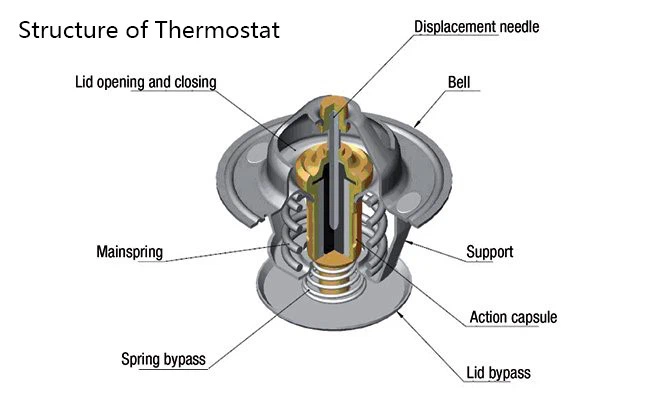
A thermostat is a crucial component in the cooling system of an engine, consisting primarily of a spring, rubber hose, temperature-sensing unit, thermostat valve, seat, push rod, and upper and lower supports.
Automatic Temperature Regulation
Equipped with a temperature-sensing unit, the thermostat automatically adjusts the amount of coolant flowing into the radiator based on the coolant temperature. It controls whether the coolant circulates through the main radiator loop (full circulation) or bypasses it (partial circulation), thereby regulating the cooling system's heat dissipation capability. This ensures that the engine operates within an optimal temperature range.

Impact of Thermostat Placement on Cooling Efficiency
Installed in the Cylinder Head Outlet Pipe
Advantages:
A simple structure facilitates maintenance and aids in purging air bubbles from the cooling system, preventing air from corroding the water pump.
Disadvantages:
May cause engine temperature fluctuations during thermostat operation, leading to inconsistent fuel atomization and increased fuel consumption. Prolonged use can accelerate engine wear and potentially damage engine performance.

Installed in the Radiator Outlet Pipe
Advantages:
Positioned at the interface between hot and cold coolant, this placement allows for precise temperature control with minimal fluctuations in engine block water temperature. It ensures stable engine operation and reduces or eliminates thermostat-induced oscillations.
Disadvantages:
The complex structure increases costs and makes it challenging to purge air from the cooling system during coolant replacement, potentially exposing the water pump to air erosion.

If a thermostat installed at the water pump inlet becomes faulty, prompt replacement is necessary to prevent engine overheating, which can lead to severe engine damage or even total destruction.
Understanding the placement and function of a thermostat is essential for maintaining optimal engine performance and longevity. Proper installation and timely replacement are critical in ensuring efficient engine cooling and preventing costly repairs.
Fan blades
Forklift Engine Fan Blades
Fan blades play a dual role in engine cooling systems,
enhancing both radiator efficiency and overall engine temperature regulation.
Enhancing Radiator Efficiency
Fan blades facilitate increased airflow through the radiator, boosting heat dissipation and accelerating the cooling process of the coolant.
Heat Dissipation from the Engine
They direct additional airflow over the engine, helping to remove excess heat generated during engine operation.
Material and Design
Modern fan blades are predominantly made from engineering plastics. Typically, they consist of 4-7 blades set at a 30-45° angle to the rotation plane, promoting axial airflow.
Operating Mechanism
Fan blades are driven by the engine's crankshaft pulley via a belt, ensuring consistent and effective cooling of the engine coolant. This setup maintains stable cooling performance, effectively balancing the engine's operating temperature.
Radiator Hoses
The Role of Radiator Hoses in Engine Cooling Systems
Radiator hoses play essential roles in facilitating the circulation of coolant between the radiator and the engine block,
ensuring efficient cooling.
Upper Radiator Hose
The upper hose serves as the inlet hose, transporting coolant from the radiator to the engine cylinder. It facilitates the cooling process by delivering coolant to the engine, ensuring effective circulation.
01
Lower Radiator Hose
The lower hose acts as the outlet hose, carrying the coolant from the engine cylinder block back to the radiator. This completes the cooling cycle by returning the heated coolant to the radiator for re-cooling.
02
Coolant Circulation
Together, the upper and lower hoses enable continuous circulation of coolant, maintaining optimal engine operating temperatures.
03
Installation
Proper installation and maintenance of radiator hoses are crucial for preventing coolant leaks and ensuring efficient cooling system operation.
04
Radiator Cover
The radiator cover serves a crucial role in forklift cooling systems by sealing the radiator, preventing dust and debris from entering and potentially obstructing or contaminating the radiator fins. This obstruction can adversely affect the radiator's heat dissipation efficiency, thereby impacting the overall cooling effectiveness of the forklift's radiator system.
Ensuring that the radiator cover is securely in place helps maintain the integrity of the cooling system, preventing external contaminants from causing blockages or reducing the radiator's ability to dissipate heat effectively. This is vital for maintaining optimal operating temperatures and preventing overheating issues that could potentially damage the forklift's engine or other critical components.
Proper maintenance and periodic inspection of the radiator cover are essential to ensure it remains functional and capable of providing effective protection against external debris, thereby preserving the efficiency and longevity of the forklift's cooling system.
Well-known Forklift engine cooling parts supplier
Anhui Fengyang Radiator Co., Ltd., annually produces 200,000 automotive radiators and offers over 500 product variants. They supply radiators to more than 40 clients including HELI, Hangcha, TCM, TEU, and others such as Liugong, and Lonking Forklifts. The company achieved Level II Measurement Qualification in 2002, obtained ISO9001 Quality Management System certification in 2000, and was certified under the TS16949 Quality Management System in 2011. They have established production lines capable of producing 150,000 intercoolers and aluminum radiators (including plastic-aluminum, all-aluminum, and fin-type) annually. They have optimized the structure of high-tonnage composite products and developed separate water and oil radiators.
We maintain a long-standing partnership with them, acting as a distributor for their products, including models such as K23J2-10201, H01T2-10201, H97Z2-10401, H83B2-10401, H2FF2-10101, H93D2-12401, H2TC2-10101, CD30YB-D2100, N31S2-10301, F31A2-10202, T1633-10011, etc., catering to various forklift brands.

Products Parameters
Products for forklift engine cooling system
Choose the plan that suits you best.
Water Pump

Deutz Forklift Water Pump
1307010-X48
CA498 Forklift Engine Parts
Thermostat

HELI Forklift Thermostat
490B-43002-XC
Xinchai 490B Diesel Engine
Engine Fan Blade

HELI Forklift Fan Blade
490B-41100
Xinchai 490B Diesel Engine
Radiator

Hangcha Forklift Radiator
N150-331000
C240 Forklift Engine
FAQ
Q: What happens if a forklift fan belt breaks?
Q: What happens if you run a diesel engine without a thermostat?
Q: What happens if the thermostat is removed?
Q: How can we prevent the forklift engine from overheating?
Q: What are the symptoms of a bad forklift water pump?
Q: Can you put water in a forklift radiator?
Q: Can universal coolant be used for forklifts?
Q: How to clean a radiator on a forklift?
Q: How to tell if a radiator cap is bad?
Q: Why is my coolant overflowing with the cap off?
Q: What happens if the radiator cap is loose?
Q: How do I know what size radiator cover I need?
Q: May I have your catalog and price list for the trial order in MOQ quantity?
Q: If I order a big quantity, what's the good price?
Q: Do you want to choose what payment?
Q: What if you can't contact us in time?
Q: Who are we?
We are based in Anhui, China, established in 1998, and supply forklift parts to domestic and international markets including Europe, South America, the Middle East, and Africa.
Q: How can we guarantee quality?
Q: What can you buy from us?
Q: Why should you buy from us not from other suppliers?