

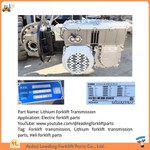


Forklift Transmission Parts
As Leading Forklift Parts Co., Ltd, we are committed to being your ultimate partner for forklift parts. As China's largest distributor, we offer a comprehensive range of high-quality forklift parts, ensuring your operations run smoothly.
Our extensive network includes direct partnerships with major Chinese forklift manufacturers like HELI, Hangcha, and JAC, allowing us to supply genuine OEM transmission parts for their entire product lines. Additionally, our collaborations with renowned transmission component producers such as Zhongnan and Zhongchai guarantee that our customers receive only the best OEM parts.
To further enhance our offerings, our in-house R&D and manufacturing capabilities enable us to produce cost-effective aftermarket transmission components tailored to meet the specific needs of popular Chinese forklift brands, including Heli, Hangcha, JAC, Noblelift, and Tailift.
Trust Leading Forklift Parts Co., Ltd. as your reliable partner for premium forklift transmission components.

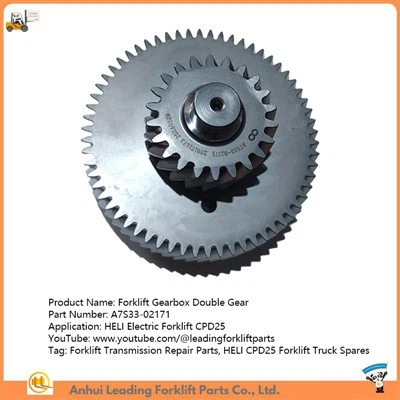

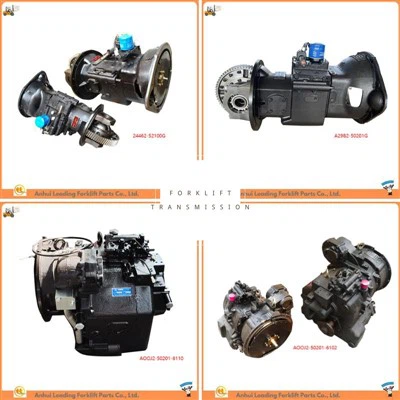
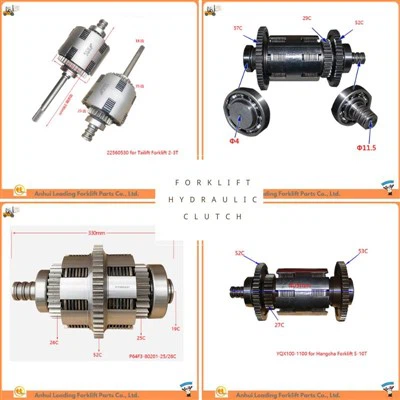
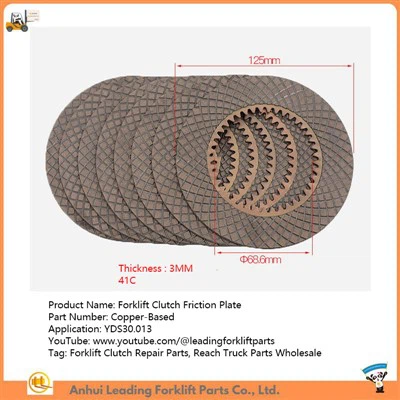


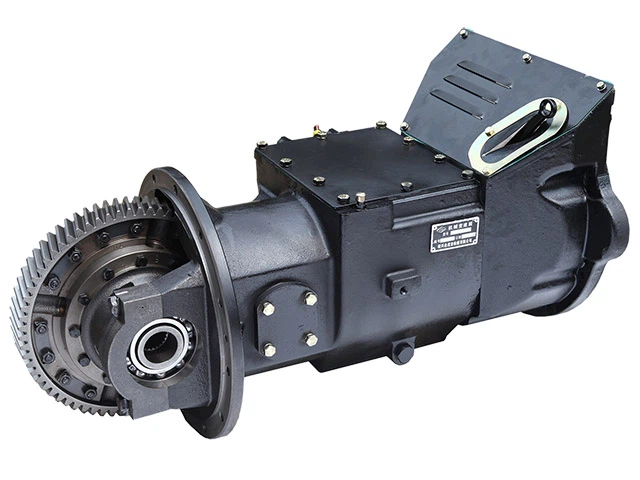
Understanding Forklift Transmission Types
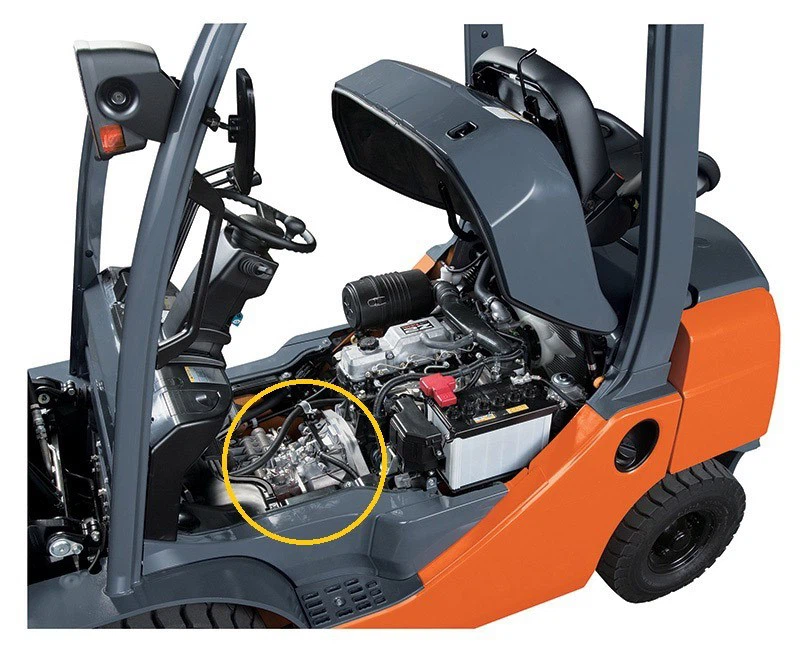
Forklifts are indispensable machines for handling heavy materials, and the heart of their operation lies in the transmission system. Whether you're managing a warehouse or a construction site, understanding the different types of forklift transmissions and how they affect performance can help you make informed purchasing decisions. In this guide, we'll delve into the importance of forklift transmissions, explore various transmission types, and offer practical advice for choosing the right gearbox for your forklift.
one-stop solution
professional team
high quality
A forklift's transmission plays a critical role in transferring engine power to the wheels, enabling the forklift trucks to move efficiently. It is responsible for controlling the torque, speed, and direction of the forklift. By adapting the power from the engine to suit different driving conditions, the transmission ensures smooth operation, power delivery, and fuel efficiency.
Whether you are considering a forklift with a forklift automatic transmission or looking for a mechanical forklift gearbox, the type of transmission affects overall performance, ease of use, and maintenance costs. Thus, understanding transmission types will help you choose the best option for your needs.
Types of Forklift Transmission Systems
Forklift transmission systems can be classified into three main types:
hydrostatic transmission, mechanical transmission, and hydraulic transmission.
Each type has its own set of advantages and applications,
and choosing the right one depends on your forklift's tasks and operating environment.
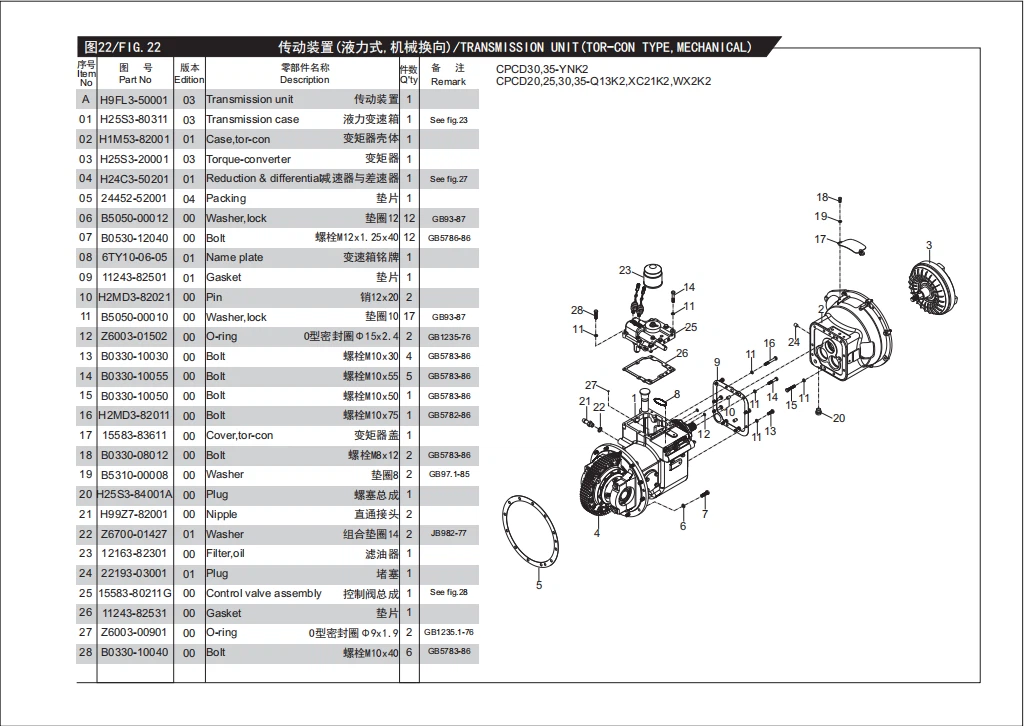
Hydraulic Transmission
Hydraulic transmission in forklifts uses a hydraulic pump and motor to provide smooth and efficient power delivery. These systems offer superior control, especially for variable loads and speeds, making them ideal for applications that require precision handling. They are commonly found in electric-powered forklifts and are often associated with forklift torque converters. Hydraulic transmissions provide better energy efficiency and minimize mechanical wear and tear, making them a popular choice for modern forklift designs.

Mechanical Transmission
Mechanical transmission systems are the traditional systems used in forklifts. This type relies on a combination of gears, clutches, and levers to change speeds. A forklift clutch is integral to the system, enabling operators to shift gears manually. This type of transmission is generally more durable and less expensive to repair, making it a preferred option for users who operate forklifts under heavy-duty conditions.

Hydrostatic Transmission
This system uses a fluid and motor pump mechanism rather than gears. It provides infinite speed and control and is ideal for precise and variable speed operations. However, this type of transmission can be less common in forklifts compared to the other two types.
Hydraulic Gearboxes
These are designed for high-torque applications and provide smooth, variable-speed operation. They are typically used in electric forklifts and hybrid models, where step-less control and efficiency are paramount.
Mechanical Gearboxes
It uses gears and mechanical linkages to control the speed and power of the forklift. This is typically found in heavy-duty IC forklifts where robustness and simplicity are key. They offer reliability and easy maintenance, making them ideal for industrial applications.
Different Forklift Transmission Types
Depending on the transmission system, forklift performance can vary significantly. Forklift gearboxes can generally be classified into two main types: mechanical and hydraulic. Choosing the right transmission type will directly impact operational costs, fuel consumption, and overall forklift performance.
Forklift Hydraulic Transmission
Hydraulic transmissions use a series of pumps, motors, and fluid power to transfer energy.
Key components include:

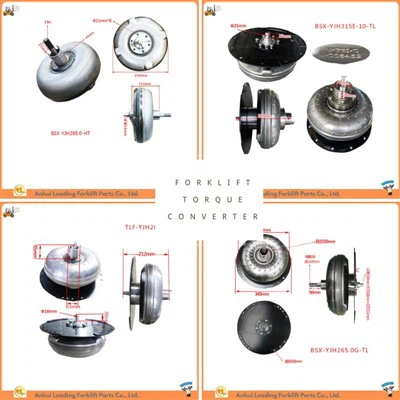
forklift torque converter
Hydraulic torque converters are central to forklifts with forklift automatic transmission systems. These devices are responsible for transmitting engine power smoothly to the transmission. By converting mechanical energy into hydraulic energy, torque converters provide superior control over power delivery, reducing wear on engine components and enhancing fuel efficiency.
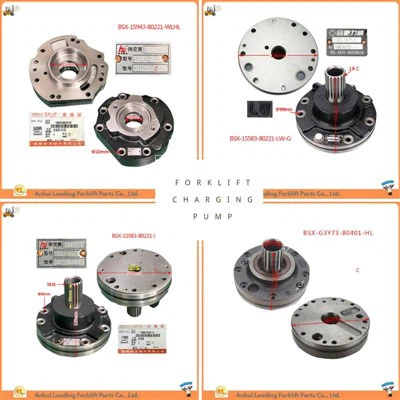
Forklift Charging Pump
The charging pump circulates hydraulic fluid through the transmission, cooling the system and maintaining optimal performance. It’s vital for preventing overheating and ensuring smooth operation of the entire drivetrain.

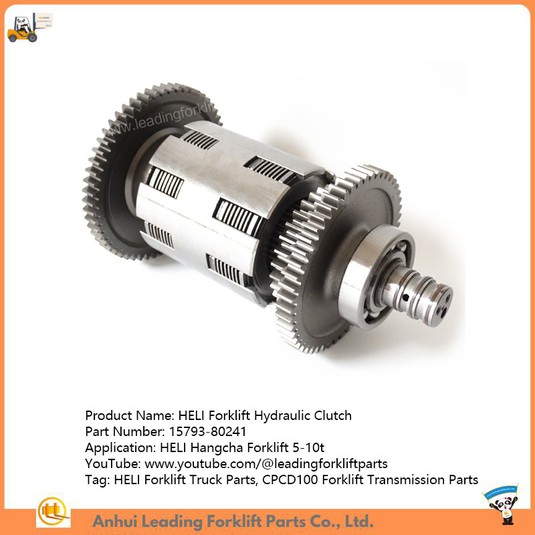
Forklift Hydraulic Clutch
The clutch assembly is responsible for connecting or disconnecting the engine’s power to the transmission. Hydraulic systems often feature smoother and quieter clutch engagement compared to mechanical systems.
Forklift Control Valves
Electric or hydraulic control valves manage the flow of hydraulic fluid through the system, enabling smooth transitions between gears and speeds.

Forklift Mechanical Transmission

Forklift Mechanical Transmission
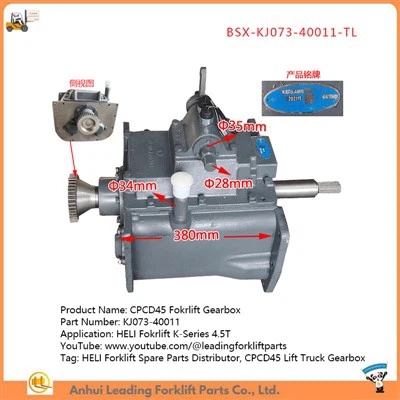
Mechanical forklifts typically use a system of gears to manage power transmission. This type of forklift gearbox relies on clutches and gear ratios to adjust the forklift speed. Mechanical systems are often preferred for their durability and simplicity.
They include the following key components:
Forklift Gearbox Housing
The gearbox housing acts as the main structural support for the transmission system. Made of durable materials such as high-quality cast iron, it ensures the gearbox’s longevity and strength. The housing should have adequate rigidity and thermal resistance.


Forklift Synchronizer
This mechanism allows smooth gear changes by synchronizing the speed of the gears and shafts. It ensures that the gears mesh properly, resulting in smoother transitions between gears.
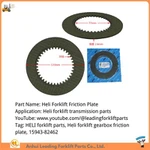
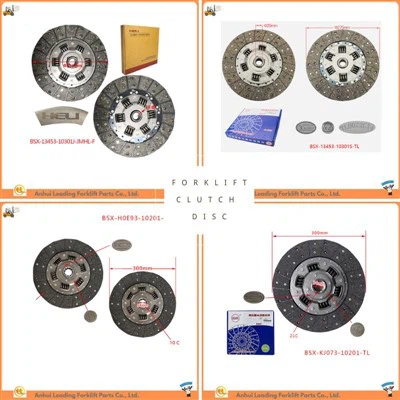
Clutch and Friction Plates
These plates connect and disconnect the engine from the transmission, allowing for efficient transfer of power. The friction material on the plates must be designed for durability and heat resistance to handle the mechanical forces at play.

Hydraulic vs. Mechanical Transmissions: Pros and Cons
Both hydraulic and mechanical forklift transmissions offer unique advantages depending on the forklift's intended use.
|
Hydraulic Transmission Pros |
Hydraulic Transmission Cons |
Mechanical Transmission Pros |
Mechanical Transmission Cons |
|
Smooth and efficient power delivery |
Hydraulic systems can be more costly initially |
Reliable performance |
Less smoother than hydraulic systems |
|
Minimal mechanical wear and tear |
Hydraulic systems may be prone to leakage and fluid contamination |
Robust and simple design |
Mechanical transmissions require regular maintenance and replacement of parts |
|
Ideal for electric forklifts and hybrid models |
More complex repair processes |
Suitable for heavy-duty applications |
|
|
Reduced noise and vibration |
Lower maintenance costs |
||
|
Easier to operate, particularly in tight spaces |
Longer lifespan with proper care and maintenance |
How to Choose the Right Forklift Transmission
Selecting the right forklift transmission is crucial to maximizing your forklift's productivity and minimizing long-term maintenance costs. Here are some key factors to consider:
Brand and Model Compatibility
Ensure that the transmission you are selecting is compatible with your forklift brand and model. Popular brands like HELI forklifts, Hangcha, and JAC have specific transmission needs based on their design and operating specifications.
Engine Type and Configuration
The type of engine your forklift uses will influence the transmission choice. For example, a hydraulic transmission forklift requires a different system than a mechanical one, due to the different power delivery and control methods.
Quality and Cost Considerations
Investing in a new, original equipment manufacturer (OEM) transmission can ensure better performance, reliability, and longevity. However, buying remanufactured or high-quality aftermarket parts can also be a cost-effective option.
Warranty and Support
Always opt for a transmission from a trusted supplier like Leading Forklift Parts, which can offer forklift transmission for sale with a warranty. We provide genuine forklift transmissions and support for ongoing service needs, ensuring you get the most value from your purchase.
Why Choose Leading Forklift Parts for Your Transmission Needs
At our company, we offer a wide range of transmissions suitable for Chinese-brand forklifts like HELI, Hangcha, and JAC.
Our products are backed by:
Partnerships with Leading Suppliers
At Leading Forklift Parts, we specialize in providing high-quality, affordable forklift transmission parts for a wide range of brands, including HELI, Hangcha, and JAC. We have long-term partnerships with top suppliers, including Zhongnan and Zhongchai, ensuring that all the parts we offer meet the highest standards.
High-Quality Components
Our transmissions feature durable cast iron housings, precision-machined components, and advanced friction materials to ensure optimal performance and reliability.
Comprehensive Product Range
We can supply transmission systems and parts for most Chinese-brand forklifts, making us a one-stop solution for your forklift transmission needs.

Conclusion
Understanding forklift transmission types and their components is essential for making informed purchasing and maintenance decisions. Whether you opt for a hydrostatic transmission forklift, a mechanical transmission forklift, or need forklift transmission parts for a specific model, choosing the right system will ensure your forklift operates efficiently for years to come. At Leading Forklift Parts, we provide a wide range of high-quality, affordable forklift transmissions, including parts for HELI, Hangcha, and JAC forklifts, making us the perfect partner for all your forklift transmission needs.
FAQ: Common Questions About Forklift Transmissions
1. What is the difference between mechanical and hydraulic transmissions in forklifts?
+
-
Mechanical transmissions use gears and mechanical linkages to transfer power, whereas hydraulic transmissions rely on fluid power for smoother, step-less acceleration. Hydraulic transmissions provide smoother control and are more suitable for variable speeds, while mechanical transmissions are simpler and more durable but require manual shifting.
2. Which type of transmission is better for heavy-duty applications?
+
-
Mechanical transmissions are generally preferred for heavy-duty applications due to their robustness and ability to handle high torque.
3. How can I tell if my forklift's transmission needs repair or replacement?
+
-
Signs that you may need a replacement include slipping gears, unusual noise, difficulty shifting, or the inability to change speeds. If your forklift experiences these issues, it’s time to consult a forklift transmission repair expert.
4. How do I choose the right transmission for my HELI or Hangcha forklift?
+
-
Consider the forklift’s model, engine specifications, and operating requirements. Consult with our team for expert advice.
5. What are the benefits of choosing a new transmission over a remanufactured one?
+
-
New transmissions offer superior performance, reliability, and longevity, making them a better long-term investment.
6. What are the advantages of a torque converter in a hydraulic transmission?
+
-
Torque converters provide smooth acceleration, high torque multiplication, and improved efficiency, making them ideal for variable-speed operations.
7. Can you provide a wide range of forklift transmission parts for different brands?
+
-
Yes, we have extensive experience supplying parts and transmissions for Chinese brands like HELI, Hangcha, and JAC, ensuring high quality and competitive pricing.
8. How can I extend the lifespan of my forklift transmission?
+
-
Regular maintenance, timely oil changes, and proper operation practices can significantly extend the lifespan of your forklift transmission. Additionally, using high-quality parts and following the manufacturer's recommendations can help prevent premature wear and tear.
9. How often should I replace the transmission oil in my forklift?
+
-
It is recommended to change the transmission oil every 500 to 1,000 hours of operation, depending on the manufacturer’s guidelines and the operating conditions of your forklift.
10. Can I repair my transmission instead of replacing it?
+
-
In some cases, a qualified technician can repair certain transmission issues. However, heavy damage or wear usually necessitates a full replacement.