Summary
4. Conclusion
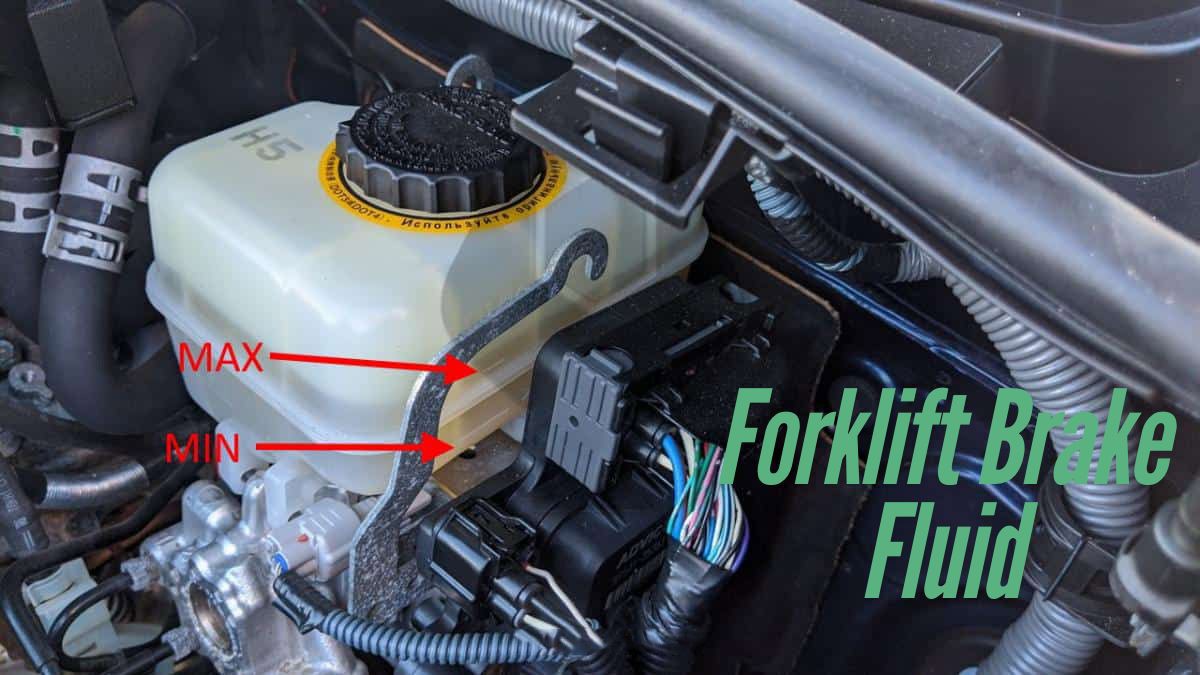
Why is My HELI Forklift Brake Fluid Level Decreasing Quickly?
Maintaining optimal brake fluid levels in your HELI forklift is crucial for ensuring safety and performance. While gradual depletion of brake fluid is normal due to wear and tear, a rapid decrease could indicate a serious leak within the braking system. In this guide, we will explore the potential causes behind a diminishing brake fluid reservoir and offer actionable steps to identify and resolve the issue, ensuring your HELI forklift remains a robust and secure workhorse.
Understanding the HELI Forklift Brake System
Before we delve into the specific components that might be causing the leak,
it's essential to understand the basic components of a forklift's brake system.
The primary components include:
Master cylinder
The master cylinder converts the force applied to the brake pedal into hydraulic pressure.
Wheel cylinders
These are located at each wheel and convert the hydraulic pressure into mechanical force to apply the brakes.
Brake lines
These tubes or hoses carry the brake fluid from the master cylinder to the wheel cylinders.
Brake calipers
These house the brake pads and pistons that press the pads against the rotors to slow or stop the forklift.
Start by inspecting the brake wheel cylinders for any signs of leakage. Check the area beneath each wheel for oil drips. If there are no visible signs of fluid, the wheel cylinders are likely not the source of the leak. However, should you find evidence of leakage, consider the following:
Worn Seals
Over time, the seals within the wheel cylinders can degrade, allowing fluid to escape.
Improper Clearance
If the brake shoes are excessively worn or if there's too much gap, the piston may become misaligned, leading to leaks when the brakes are applied.
Damaged Boots
The rubber boots that protect the wheel cylinders can become damaged, allowing dirt and moisture to enter and accelerate wear.
2. Forklift Brake Lines
Next, examine the brake lines and any connected copper tubes or joints for leaks.
Replace any compromised sections immediately.
Check Connections
Look for wet spots or stains around the connections.
Corrosion
Brake lines and hoses can corrode over time, especially in harsh environments.
Wear and tear
Constant flexing and exposure to heat can cause brake lines and hoses to develop cracks or leaks.
If leaks are found, replace the damaged lines immediately.
If no leaks are evident, proceed to inspect the master cylinder.
3. Forklift Master Cylinder
The master cylinder is another critical component to investigate.
Signs of Master Cylinder Issues:
Worn Seals and Gaskets
If you find the brake pedal feels unusually light when pressed, it may indicate that the seals are worn out, leading to fluid loss.
Damaged Dust Cover
The dust cover that protects the master cylinder can become damaged, allowing dirt and moisture to enter.
Testing Fluid Flow
Open the reservoir cap and depress the pedal to see if the fluid surges upward. If so, adjust the clearance between the master cylinder and the push rod.
Adjusting Clearances
If fluid spurts out when releasing the brake pedal, this could indicate excessive space between the brake drum and shoes, necessitating an adjustment.
The forklift vacuum booster is an often overlooked component. If your HELI forklift is equipped with a vacuum booster, check for leaks in this component as well.
(1). Seal Degradation: Faulty seals on the booster cylinder piston, push rod, and control valve can lead to excessive fluid consumption. Inspect the piston seals and valve seals for any signs of wear.
(2). Severe Leaks: Opening the booster during inspection should not result in fluid leakage. If fluid is present, this could lead to dilution of engine oil or combustion in the cylinders, which is a severe issue.
Additional Considerations
- Wheel Bearings: While less common, leaking wheel bearings can sometimes be mistaken for a brake fluid leak.
- Brake Caliper Seals: In disc brake systems, worn or damaged caliper seals can cause brake fluid leaks.
Regular Inspections
Conduct routine inspections of your forklift's brake system.
Quality Brake Fluid
Use only high-quality brake fluid and replace it according to the manufacturer's recommendations. If you have lost the HELI forklift maintenance manual that came with the forklift, you can find it on our Download page.
Properly Adjusted Brakes
Ensure that the brakes are adjusted correctly to prevent binding or dragging.
Avoid Harsh Braking
Excessive braking can accelerate wear and tear on the braking system.
A rapid decrease in brake fluid levels in your HELI forklift is often indicative of a leak in the braking system. By systematically checking each component, including brake wheel cylinders, brake lines, the master cylinder, the vacuum booster, and the brake caliper, you can identify the source of the problem and take corrective action. Regular maintenance and prompt attention to brake fluid levels not only ensure safety but also enhance the overall performance of your forklift, keeping your operations running smoothly and efficiently. Don't wait-address potential leaks today to keep your forklift running smoothly and safely!